
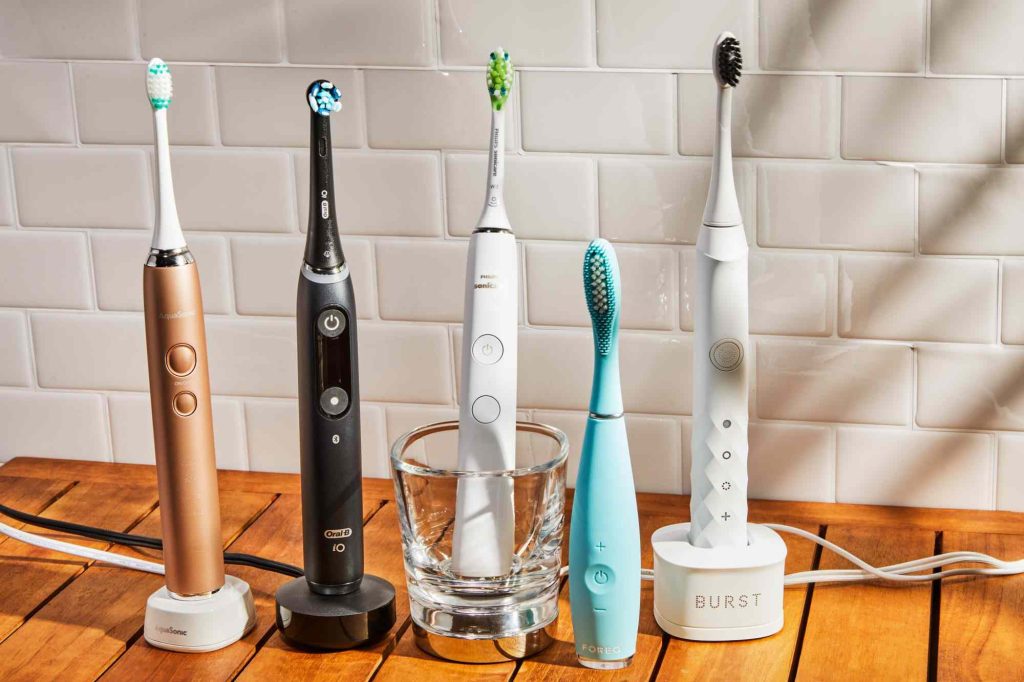
Oral health is the foundation of a healthy smile. While regular dental visits play a vital role, your daily brushing routine is equally important. But with so many toothbrushes and toothpastes available on the shelves, it can feel overwhelming to decide what’s best for you. Should you choose a soft or medium-bristle brush? Manual or electric? Fluoride or herbal toothpaste?
At Specialized Dental & Orthodontics Center in Abu Dhabi, our experts help patients make the right choices every day. In this blog, we’ll break down the essentials of toothbrushes and toothpaste so you can choose the products that best suit your smile.
1. Why Choosing the Right Toothbrush Matters
Your toothbrush is your first line of defense against plaque, cavities, and gum disease. The wrong brush can either fail to clean effectively or damage your gums and enamel.
Key factors to consider:
- Bristle Type: Soft bristles are recommended for most people as they clean effectively without harming gums. Medium and hard bristles may cause enamel wear if used aggressively.
- Head Size: A small to medium head makes it easier to reach the back teeth and tight spaces.
- Handle Grip: Comfortable, non-slip handles ensure better control during brushing.
Tip from our Abu Dhabi dentists: Always choose a soft-bristled brush unless specifically advised otherwise. It’s gentler yet effective for daily cleaning.
2. Manual vs. Electric Toothbrushes: Which is Better?
Both manual and electric toothbrushes can keep your teeth clean when used correctly. However, there are differences worth considering:
Manual Toothbrush
- Affordable and widely available
- Easy to travel with
- Requires proper technique and at least 2 minutes of brushing
Electric Toothbrush
- Provides consistent brushing motion
- Many have built-in timers and pressure sensors
- Ideal for people with limited hand mobility or orthodontic appliances (like braces)
Our Recommendation: If you have braces, implants, or struggle with plaque buildup, an electric toothbrush can give you an edge in maintaining oral hygiene. For others, a manual brush used with the right technique works just as well.
3. How Often Should You Replace Your Toothbrush?
A worn-out toothbrush won’t clean your teeth properly. Replace your toothbrush or electric brush head every 3 months or sooner if:
- The bristles are frayed or splayed
- You’ve been sick (to avoid reinfection)
- You notice reduced cleaning efficiency
At Specialized Dental & Orthodontics Center, we often notice patients continue using brushes well past their lifespan. A simple switch can make a big difference in oral health.
4. Choosing the Right Toothpaste for Your Smile
Toothpaste is more than just a freshener—it delivers essential protection to your teeth and gums. Here’s how to decide:
a) Fluoride Toothpaste – The Gold Standard
Fluoride strengthens enamel and prevents cavities. Most dentists recommend fluoride toothpaste for daily use.
b) Whitening Toothpaste
Contains mild abrasives or chemicals to remove surface stains. Best for those looking to brighten their smile, but avoid overuse as it may cause sensitivity.
c) Sensitive Teeth Toothpaste
Includes ingredients like potassium nitrate or stannous fluoride to reduce tooth sensitivity. Great for people experiencing discomfort with hot, cold, or sweet foods.
d) Herbal/Natural Toothpaste
Free from fluoride and artificial chemicals, these are preferred by some patients. However, unless they contain fluoride, they may not offer the same cavity protection.
Important: Always check for the American Dental Association (ADA) or equivalent dental authority seal to ensure the toothpaste is safe and effective.
5. Special Considerations for Different Patients
Your oral health needs may change with age, lifestyle, or dental treatments.
- Children: Use a soft, small-headed brush with a rice-sized smear of fluoride toothpaste for toddlers, and a pea-sized amount for older kids.
- Braces & Orthodontics: Electric toothbrushes, interdental brushes, and fluoride toothpaste are highly recommended to prevent plaque around brackets.
- Seniors: Look for brushes with larger handles for better grip, and toothpastes that combat sensitivity and protect against root caries.
- Patients with Gum Disease: Use ultra-soft bristles and toothpaste with antibacterial properties like stannous fluoride.
6. Common Mistakes to Avoid in Toothbrushing
Even with the right toothbrush and toothpaste, bad habits can harm your smile. Watch out for:
- Brushing too hard: Can wear down enamel and irritate gums
- Not brushing long enough: You need at least 2 minutes
- Skipping the tongue: Bacteria here can cause bad breath
- Not flossing: Brushing alone misses 40% of tooth surfaces
At our Abu Dhabi clinic, we often provide brushing demonstrations so patients can perfect their technique.
7. Pro Tips from Our Dentists in Abu Dhabi
- Use a toothbrush with a tongue cleaner for fresher breath
- Store your brush upright and uncovered to keep it dry and bacteria-free
- Consider toothpaste with fluoride and xylitol for extra cavity protection
- Always consult your dentist if you experience ongoing sensitivity, bleeding gums, or staining
Conclusion
Choosing the right toothbrush and toothpaste is not just about preference—it’s about protecting your long-term oral health. At Specialized Dental & Orthodontics Center, Abu Dhabi, we recommend soft-bristled brushes, fluoride toothpaste for most patients, and personalized options depending on age, lifestyle, and dental conditions.
Remember: the best toothbrush and toothpaste are the ones you use properly and consistently, twice a day. Pair them with regular dental check-ups, and you’re on your way to a healthy, confident smile.
